
My neighbor stopped composting after one summer. The bin smelled like a garbage truck had parked next to her raised beds, flies were everywhere, and she'd convinced herself that composting just wasn't for her. She wasn't wrong that something had gone sideways. She was very wrong that it couldn't be fixed.
Composting is one of the highest-return things a food gardener can do. You turn kitchen scraps and yard waste into something that genuinely improves your soil year after year. But when it goes wrong, people quit. And it goes wrong for the same handful of reasons almost every time.
Why Compost Smells Bad (And What It's Telling You)
Read also
A working compost pile should smell earthy. Not roses, but not rot either. When it smells like a dumpster or a swamp, the pile is sending a clear signal: too much nitrogen, not enough air, or both.
Nitrogen-heavy materials are your kitchen scraps, fresh grass clippings, and coffee grounds. They're called 'greens' in composting terms, even when they're brown. They break down fast and release moisture and heat, which is great. But pile too many of them together without balancing them out, and the pile turns anaerobic. No oxygen, wrong bacteria, bad smell.
The fix is simple: add carbon. Dry leaves, cardboard torn into small pieces, straw, wood chips, shredded newspaper. Aim for roughly three parts carbon to one part nitrogen by volume. That ratio doesn't have to be precise. It just has to stop being lopsided.
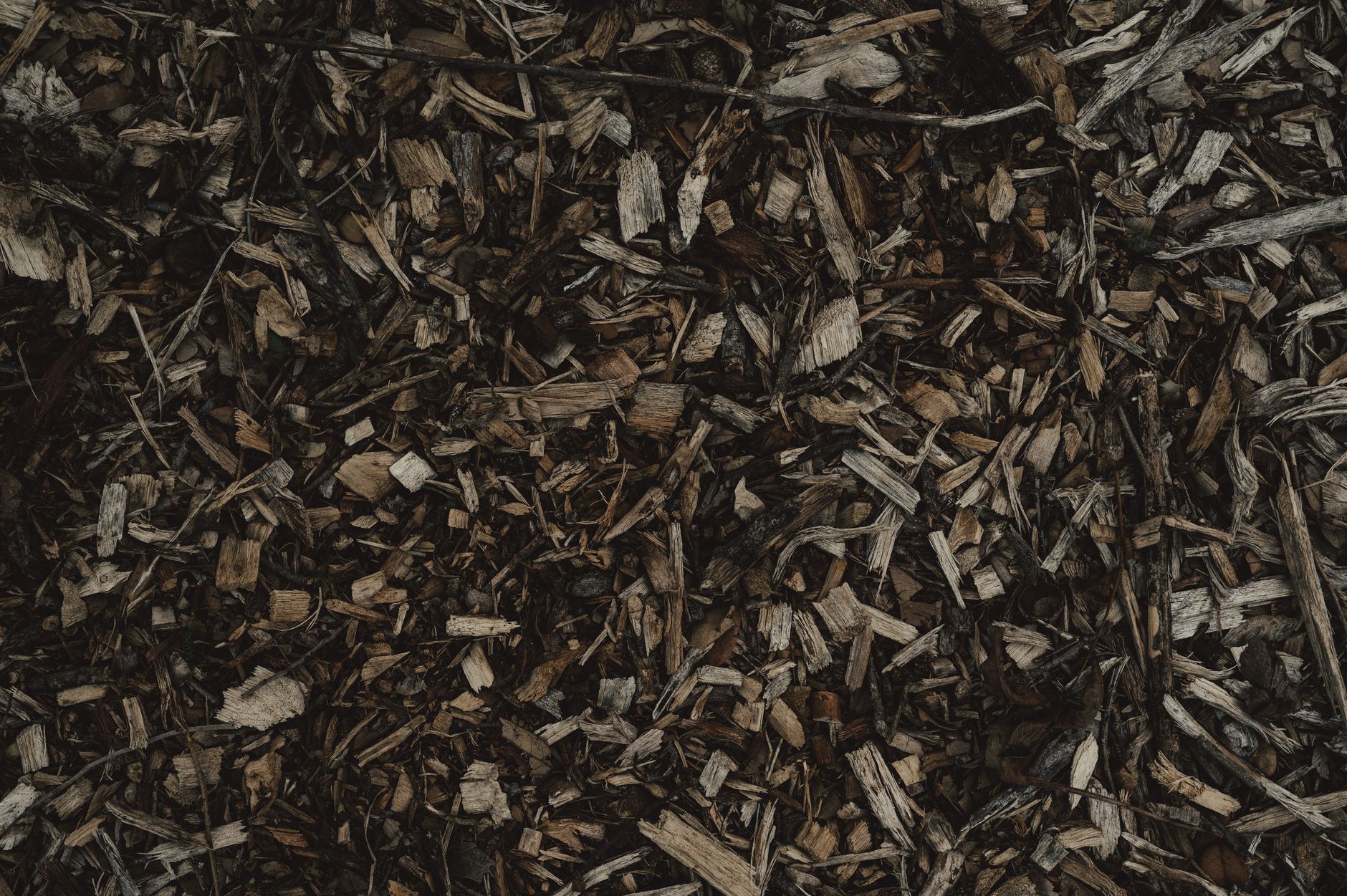
If the pile smells like ammonia specifically, that's excess nitrogen off-gassing. Add more carbon materials and turn the pile to introduce oxygen. The smell usually clears up within a few days. If it smells like rotten eggs, the pile is waterlogged and airless. Turn it, add dry carbon, and if your bin doesn't have drainage, loosen the base material or poke holes in the bottom.
Pests Are Not Random. Here's What's Inviting Them
Rats, raccoons, and flies don't show up at compost bins by accident. They show up because the bin is an open buffet.
Meat, fish, dairy, and cooked foods do not belong in a home compost bin. Full stop. They break down slowly, smell strongly, and attract exactly the animals you don't want near your garden. Keep the bin to raw fruit and vegetable scraps, coffee grounds, eggshells, and plant-based yard waste.
Fruit flies are a different issue. They're not dangerous, but they're annoying. They breed in exposed food scraps sitting near the surface. The solution is to bury fresh scraps at least four to six inches into the pile each time you add them, then cover with a layer of carbon material. Out of sight, out of reach.
Pro Tip
Pro Tip: Keep a small bin with a tight lid on your kitchen counter for scraps, and add a handful of dry leaves or shredded cardboard to it each time you add food. When you transfer to the outdoor bin, the scraps are already partially balanced and less likely to attract flies or go slimy.
For rodents, the bin itself matters. An open pile on bare ground is easy access. A solid-sided bin with a locking lid and a hardware cloth base buried a few inches into the soil is much harder to get into. You don't need an expensive bin. A basic plastic tumbler or a DIY wooden bin with a wire floor works well for most home gardens.
Why Your Compost Is Taking Forever
Some people add scraps to a bin for two years and still don't have finished compost. The pile just sits there, barely changing. This is almost always a moisture or size problem.
Compost needs to feel like a wrung-out sponge. Not dripping, but clearly damp throughout. If your pile is dry, the microbes responsible for breaking everything down slow to almost nothing. In a dry climate or under a roof overhang, you may need to water your pile occasionally. Give it a slow soak, turn it, and check the interior temperature in a few days. A working pile generates real heat in the center.
Size matters too. A pile smaller than three feet in any direction loses heat too quickly to break down efficiently. If you're working with a small bin and a slow pile, chop or shred materials before adding them. Smaller pieces mean more surface area for microbes to work on, which speeds things up considerably.
Turning helps. You don't have to do it every week. But turning the pile once or twice a month in warm weather introduces oxygen and mixes material that's already breaking down with material that hasn't started yet. That contact speeds up the whole process.
Knowing When Compost Is Actually Ready to Use
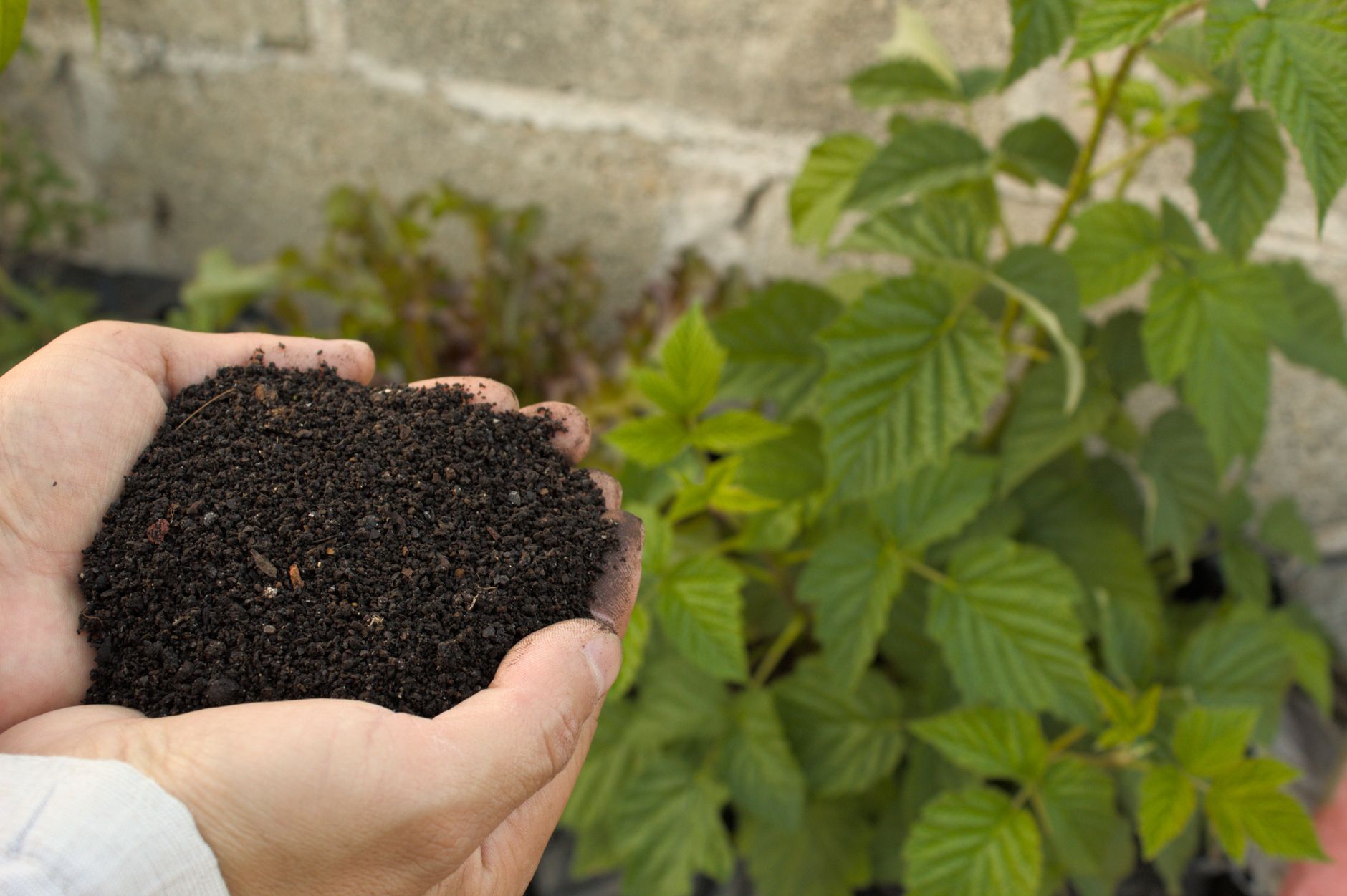
Finished compost doesn't look like scraps anymore. It looks like dark, crumbly soil with an earthy smell. You shouldn't be able to identify what it started as. No recognizable eggshell pieces, no visible leaf fragments, nothing stringy.
If you scoop some out and it's halfway there, full of partially broken-down material, it's not finished. Using unfinished compost around plant roots can actually tie up nitrogen in your soil temporarily, which works against you. Let it go longer, or sift it and return the chunky bits to the pile.
A simple test: put a small handful in a sealed bag and leave it at room temperature for three days. If it smells fine when you open it, it's ready. If it smells sour or off, give it more time.
Getting Compost to Actually Work for Your Garden
Even a modest home compost system can produce enough to top-dress your raised beds once or twice a year. That's genuinely meaningful. Studies from university extension programs consistently show that regular compost additions improve water retention in sandy soils, drainage in clay soils, and microbial activity across the board.
Work it in at planting time, about one to two inches mixed into the top six inches of bed soil. Use it as a mulch layer mid-season, keeping it a few inches back from plant stems. Add a small scoop to the planting hole when transplanting seedlings.
The gardeners who stick with composting aren't the ones who never had problems. They're the ones who figured out what went wrong and adjusted. Fix the balance, manage what goes in, keep it damp, and turn it occasionally. That's the whole system. It's not complicated once you know what to listen for.


