
While your neighbors are watching their lettuce bolt and their peas shrivel, you could be planting vegetables that actually prefer the heat. June might seem late to start a garden, but some crops perform better when planted now than they ever would have in cool spring soil.
The secret lies in understanding which vegetables are actually waiting for warm soil and long days to hit their stride.
The Heat Lovers That Outperform Spring Crops
Read also
Okra laughs at 90-degree days. This Southern staple needs soil temperatures above 70°F to even bother germinating, which means your June planting will establish faster and produce more pods than any early season attempt.
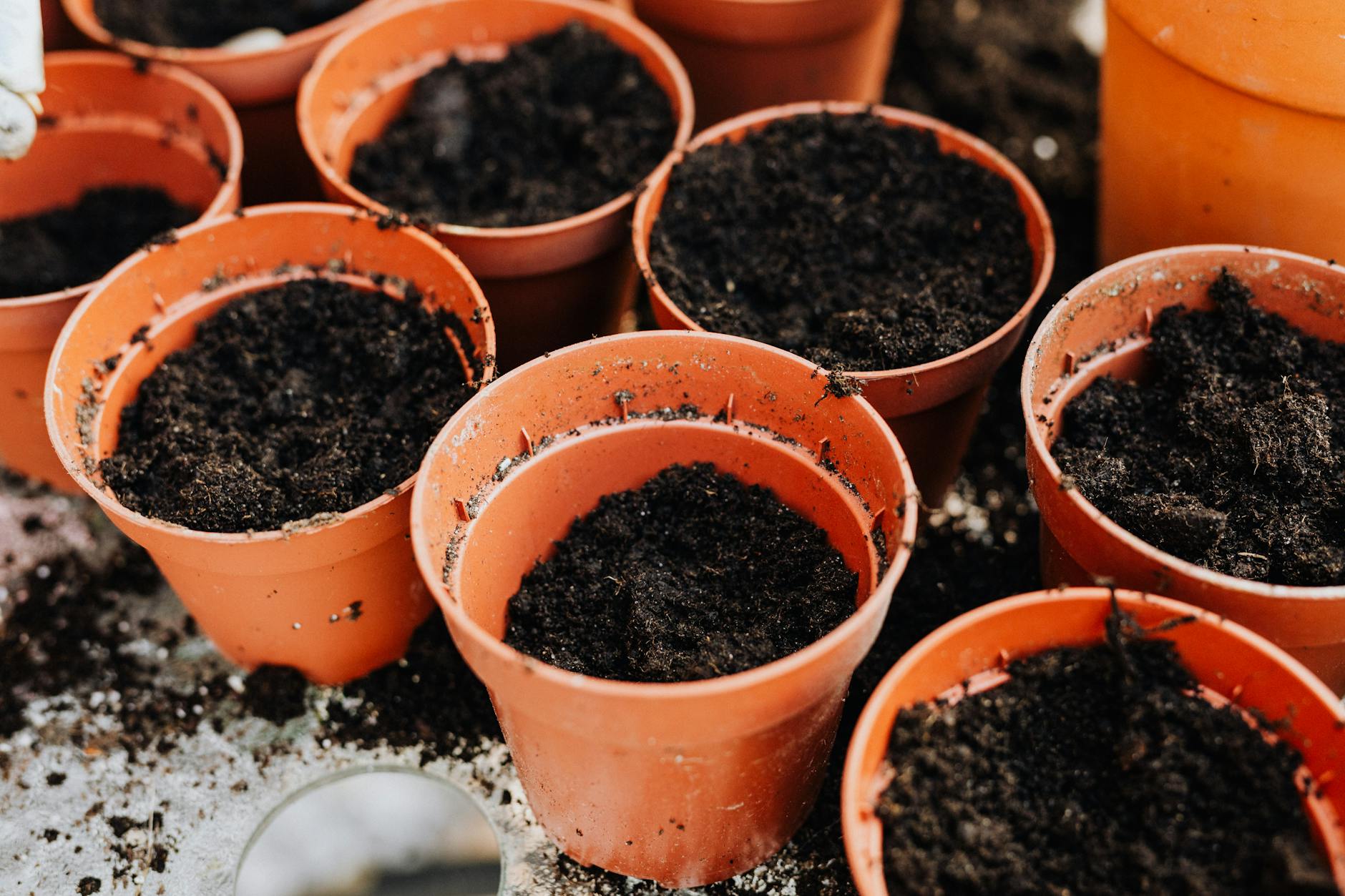
Plant okra seeds directly in the ground about half an inch deep. Space them 12 inches apart if you're growing in containers, or 18 inches in garden beds. Within 60 days, you'll be harvesting pods every other day.
Armenian cucumber is another heat champion that most gardeners discover by accident. These long, mild cucumbers stay crisp and sweet even when temperatures soar past 95°F. Regular cucumbers often turn bitter in heat, but Armenians get more productive.
Start with transplants for faster results, or direct sow seeds if you have space. Give them something tall to climb. A 6-foot trellis works well for small spaces.
Beans That Prefer the Summer Rush
Yard-long beans, also called asparagus beans, need heat to reach their full potential. These Asian climbing beans can produce 18-inch pods throughout summer and fall, long after your spring bush beans have called it quits.
Pro Tip
Pro tip: Harvest yard-long beans when they're pencil-thick and 12-14 inches long. Wait too long and they become tough and stringy. Pick every 2-3 days to keep production going.
Malabar spinach isn't actually spinach, but it fills the same role when regular spinach won't grow. This climbing green thrives in humidity and heat, producing thick, succulent leaves perfect for stir-fries and salads.
Plant Malabar spinach near a fence or trellis. It can climb 6 feet or more and keeps producing until the first frost.
Late Summer Vegetables for Fall Harvest
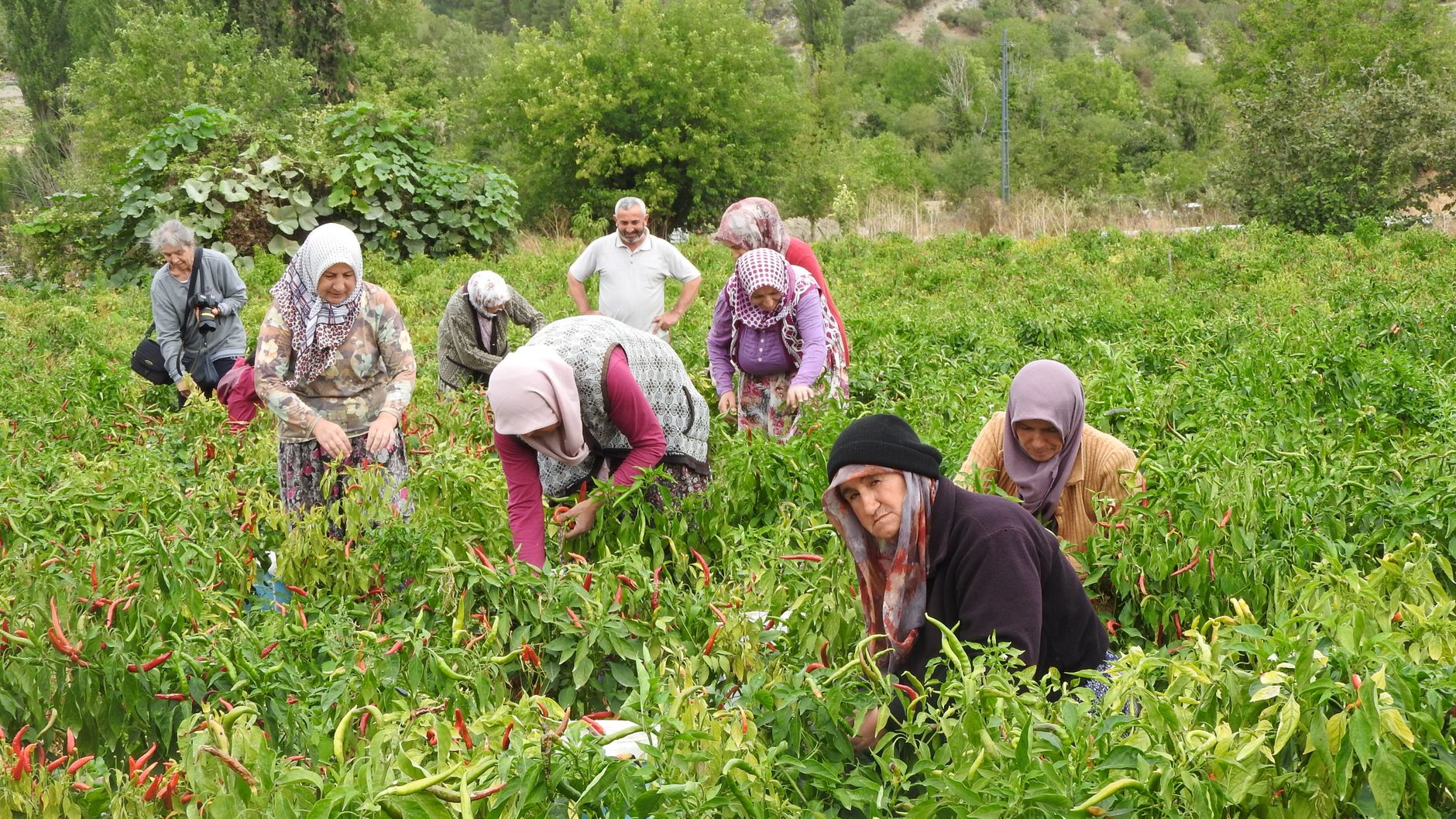
June is prime time for planting fall storage crops. Winter squash needs 100-120 days to mature, which puts your harvest right in October when you want those butternut and delicata squashes.
In small spaces, try compact varieties like 'Honey Bear' acorn squash or 'Burgess Buttercup.' Both stay manageable on trellises and produce 3-4 fruits per plant.
Sweet potatoes planted now will size up beautifully for fall digging. The slips need warm soil to establish, and the long growing season develops those large, sweet tubers you want for storage.
If you're growing in containers, use at least 20-gallon pots for sweet potatoes. They need room for those roots to expand.
Quick Succession Crops for Continuous Harvests
Summer lettuce varieties like 'Jericho' romaine and 'Red Sails' leaf lettuce can handle heat better than spring types. Plant small amounts every two weeks through June and July for continuous salads.
Provide afternoon shade with taller plants or shade cloth. Morning sun and afternoon protection works better than full sun in summer heat.
Cilantro for fall harvest should go in now too. Spring cilantro bolts quickly, but plantings made in summer heat will establish deep roots and provide fresh leaves through autumn.
These June plantings prove that timing matters more than season. While others mourn their finished spring gardens, you'll be harvesting heat-loving vegetables that actually prefer the summer conditions everyone else complains about.


