
Your lettuce looked so promising two weeks ago. Those tender green leaves were filling out nicely in their containers, and you were already planning salads. Then you came outside one morning to find tall, bitter stalks where your lunch used to be. Welcome to bolting, the number one reason small-space gardeners give up on lettuce.
Bolting happens when lettuce shifts from growing leaves to making seeds. It's a survival mechanism triggered by heat, long days, or stress. Once it starts, those leaves turn bitter and inedible fast. But here's the thing: you can prevent it completely with the right approach.
Why Your Lettuce Bolts (And When to Expect It)
Read also
Lettuce bolts when temperatures consistently hit 75°F or higher, especially combined with 14+ hours of daylight. Most gardeners plant lettuce in late spring thinking they're being smart, then watch it bolt by early summer. The plant essentially panics, thinking its growing season is over.
Different varieties have different bolt resistance. Iceberg types bolt fastest, often within days of hitting their trigger temperature. Loose-leaf varieties like red sails or oak leaf give you more time. Romaine falls somewhere in the middle.
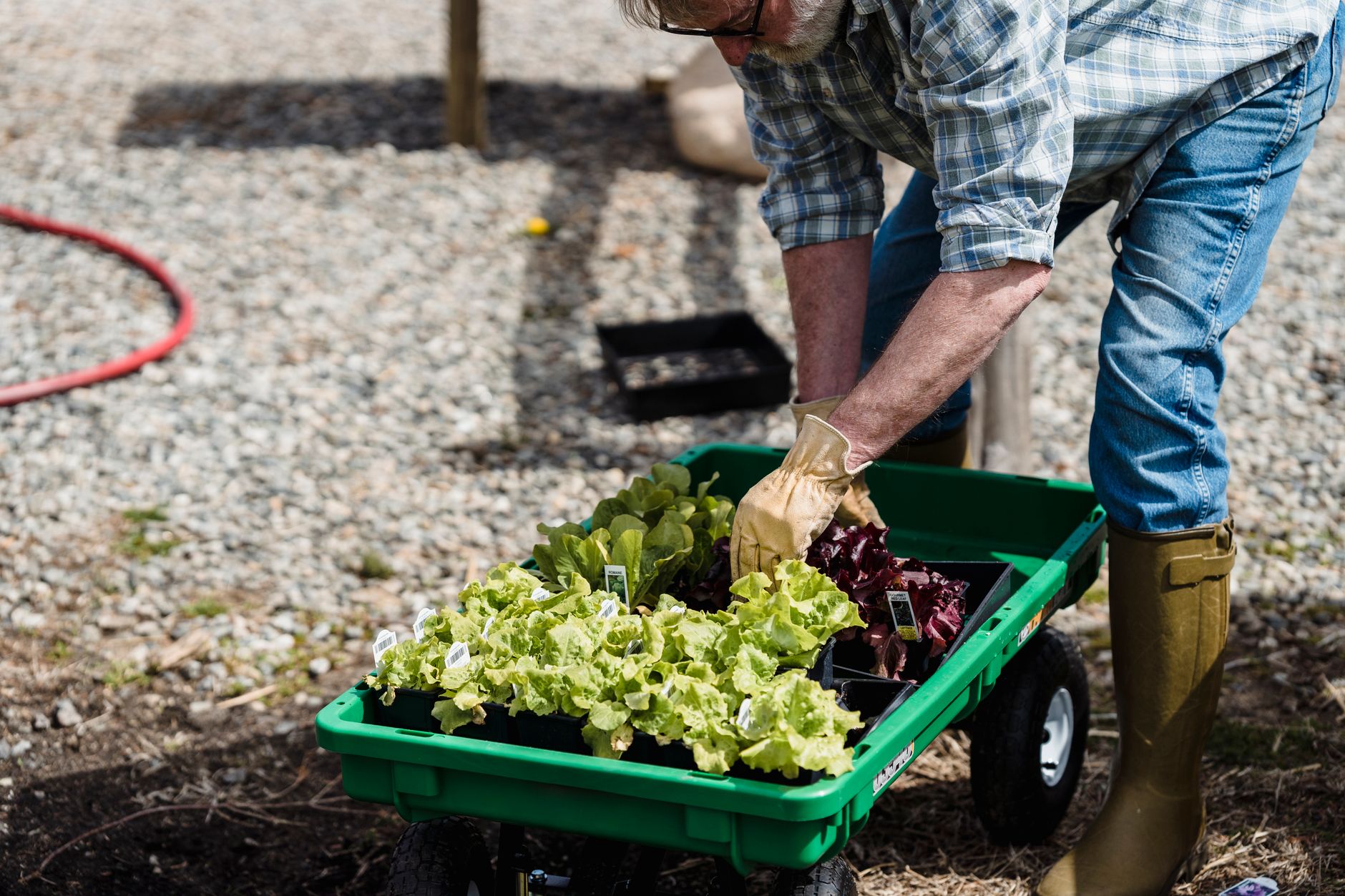
Container-grown lettuce actually bolts faster than garden beds because pots heat up quicker. That black plastic nursery pot sitting in afternoon sun can hit 85°F while the air temperature is only 72°F. Your lettuce roots feel that heat first.
Pro Tip
Pro Tip: Test your container soil temperature with a basic thermometer at 2 PM on a sunny day. If it's over 70°F, your lettuce is already stressed and close to bolting.
Plant at the Right Time
Timing beats variety selection every time. Plant lettuce so it matures before your area hits consistent 75°F days. In most regions, this means starting seeds 6-8 weeks before your average last frost, or direct seeding 2-4 weeks before.
For summer harvests, wait until midsummer heat breaks. Start seeds indoors in late July or early August for fall crops. These often taste better than spring lettuce because they mature in cooling temperatures instead of warming ones.
Skip the traditional spring planting window if you live somewhere with hot summers. March-planted lettuce in Texas or Arizona will bolt before you get a decent harvest. Better to focus on fall, winter, and very early spring crops.
Choose Bolt-Resistant Varieties
Some lettuce varieties can handle heat without immediately running to seed. 'Jericho' romaine tolerates temperatures up to 80°F. 'Red Sails' and 'Black Seeded Simpson' loose-leaf types also resist bolting longer than most.
'Buttercrunch' butterhead gives you that soft, sweet texture while handling warm weather better than other butter types. For containers, try 'Tom Thumb' – a compact butterhead that matures quickly before bolt triggers kick in.
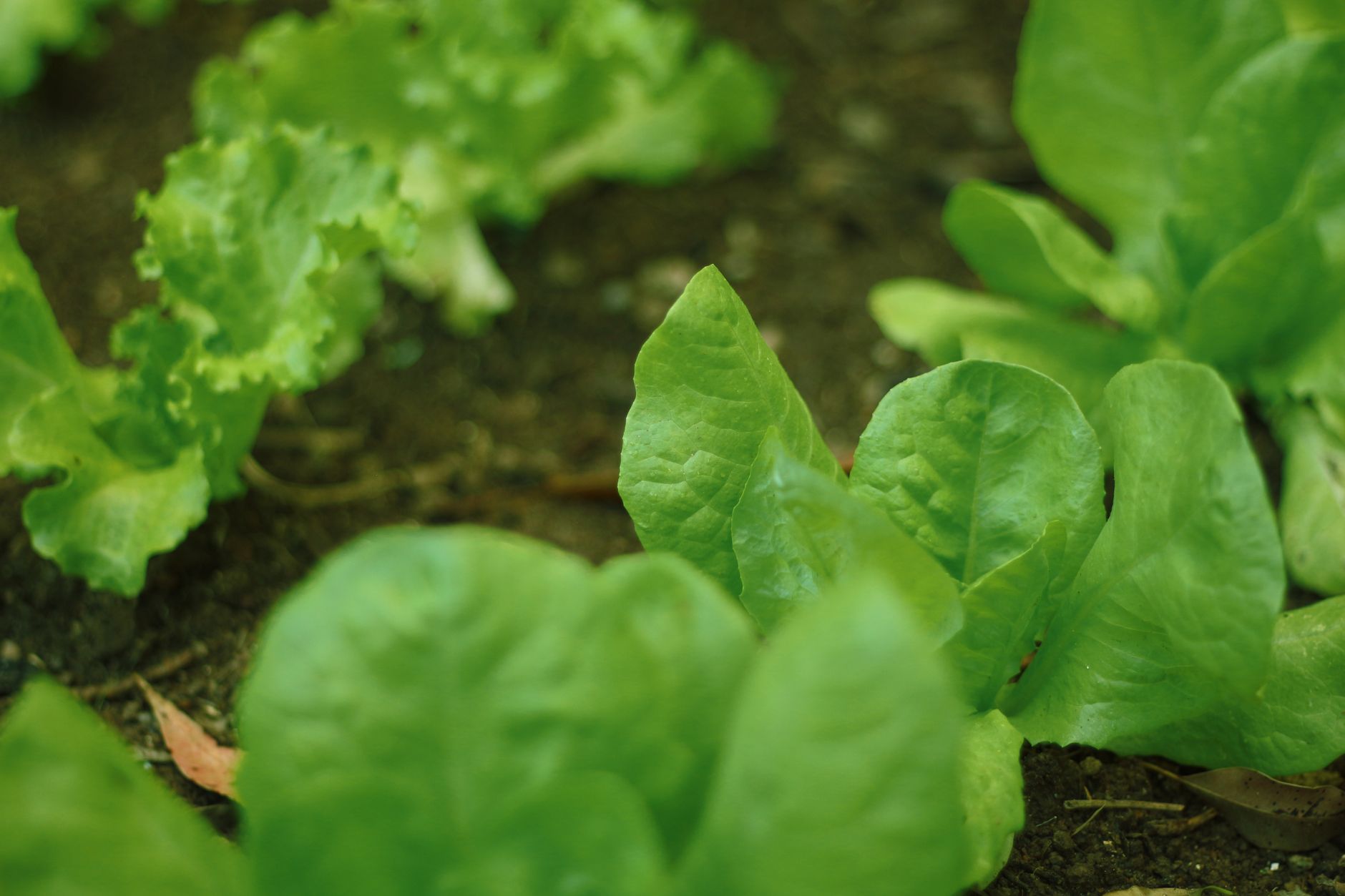
Summer crisp varieties like 'Nevada' or 'Cherokee' bridge the gap between romaine and iceberg. They're bred specifically for warm weather growing and can handle temperatures that would bolt regular lettuce in hours.
Keep It Cool with Strategic Placement
Location matters more than variety in preventing bolts. Place containers where they get morning sun but afternoon shade. That east-facing spot by your fence or patio works well.
Elevate containers off hot surfaces like concrete or decking. Use plant caddies, bricks, or wooden slats to create airflow underneath. This simple change can drop soil temperature by 5-10 degrees.
Double-pot your lettuce containers in hot climates. Place the growing pot inside a slightly larger decorative pot with an inch of space between them. Fill the gap with damp peat moss or coconut coir. As water evaporates, it cools the inner pot.
Water Smart to Reduce Stress
Inconsistent watering stresses lettuce almost as much as heat. Stressed plants bolt faster. Water containers daily once temperatures hit 70°F, checking soil moisture with your finger.
Water early morning so plants can absorb moisture before heat hits. Avoid evening watering in humid climates – wet leaves overnight invite disease.
Mulch container surfaces with straw or shredded leaves to keep soil cool and retain moisture. This simple step extends your lettuce harvest by weeks in borderline weather.
Harvest Before It's Too Late
Start harvesting outer leaves when plants are half-grown rather than waiting for full heads. This reduces plant stress and gives you multiple harvests from each plant.
Watch for early bolt signs: elongated center growth, leaves becoming more pointed, or stems starting to stretch. Once you see these, harvest everything immediately. The leaves are still edible but won't last long.
Cut entire plants at soil level if bolting starts. Use slightly bitter leaves in smoothies or cooked dishes where the flavor won't dominate. Don't let plants go to seed unless you're saving seeds for next year's crop.


