
Most gardening advice starts the same way: find your sunniest spot and plant there. But what if your sunniest spot is still pretty shady? A fence on the south side, a neighbor's tree that's gotten enormous, a narrow side yard that only sees a few hours of direct light — these are real situations for millions of home gardeners, and the standard advice leaves them stuck.
Here's what that advice leaves out: some vegetables don't just tolerate shade. They prefer it. In the heat of summer, low light means slower bolting, softer leaves, and flavors that are noticeably sweeter than the same plants grown in full sun.
What 'Partial Shade' Actually Means in Your Garden
Read also
Gardeners throw around terms like 'partial shade' and 'dappled light' without always explaining what that means practically. For vegetable growing, partial shade means roughly two to four hours of direct sun per day, with the rest of the day in bright indirect light or gentle filtered light through leaves. Full shade — under a dense evergreen canopy where it stays dim all day — is genuinely tough for food crops. Most shade-tolerant vegetables still need that two-hour minimum.
The east side of your house is often ideal. Morning sun is gentler and cooler than afternoon sun, and east-facing beds typically catch two to four solid hours before the house blocks the light. North-facing beds are harder but not impossible, especially for the most shade-tolerant crops on this list.

The Vegetables That Do Genuinely Well in Shade
Lettuce is the obvious one, and for good reason. In full summer sun, lettuce bolts fast — it sends up a flower stalk, turns bitter, and it's done. In partial shade, the same plant stays harvestable two to three weeks longer. The leaves stay tender. The flavor stays mild. If you've ever struggled with lettuce going bitter on you, moving it out of your sunniest bed might fix the problem entirely.
Spinach behaves the same way. It's a cool-season crop that fights summer heat at every turn, and shade gives it a fighting chance when temperatures climb. Arugula, mizuna, and most Asian greens follow the same pattern. These are fast crops — most ready in 30 to 45 days — so even a shadier bed produces real food in a reasonable timeframe.
Kale is tougher than people give it credit for. It handles two to three hours of sun per day without much complaint, especially the curly-leaf types. The leaves may grow a little slower, but they stay more tender than sun-baked kale, which can get leathery and strong-flavored by midsummer.
Swiss chard is underused in shade gardening. It tolerates low light better than most vegetables, produces over a long season, and the stems are genuinely pretty — red, yellow, orange — so it earns its spot even in a visible bed. Harvest the outer leaves and the center keeps growing. One packet of seeds can keep a family eating chard from June through first frost.
Herbs deserve a mention here. Parsley, cilantro, and chives all manage with partial shade, and cilantro actually does better — it bolts slower in lower light, which is the main frustration most people have with it. Mint, of course, grows almost anywhere and in almost any light, though it will take over a bed if you let it run loose. Keep it in a container.
Pro Tip
Pro Tip: Radishes are one of the fastest crops in partial shade — ready in 25 to 30 days. Tuck them between slower shade crops as a quick first harvest while you wait for chard and kale to size up. They also loosen compacted soil as they grow, which benefits everything planted around them.
What Still Needs Sun (Don't Fight This)
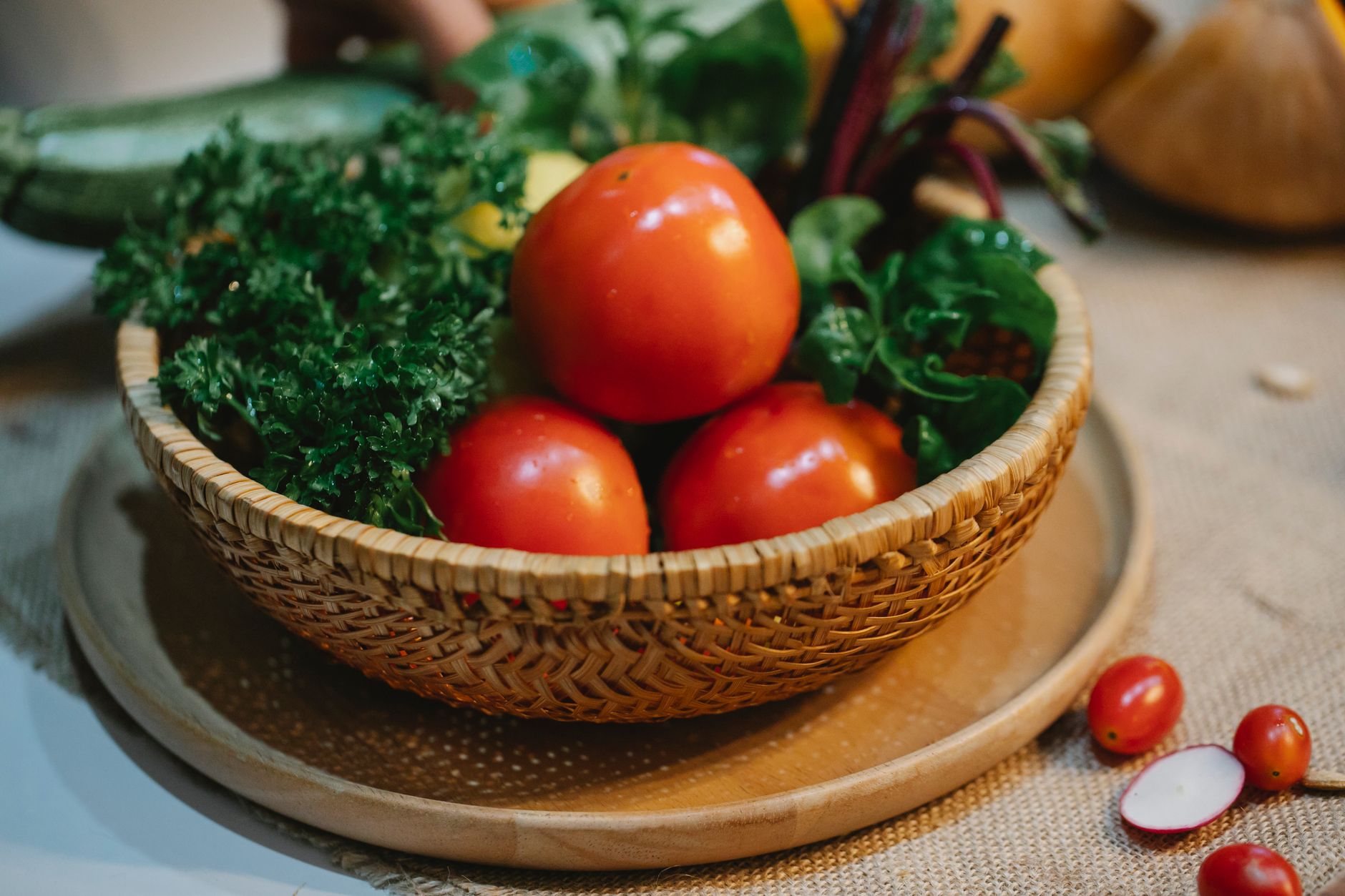
Tomatoes, peppers, eggplant, cucumbers, squash, melons — these are all fruiting crops, and fruiting crops need full sun. No workarounds exist. They need six to eight hours of direct sun to produce fruit reliably, and any less produces weak plants with little to no harvest. If your only growing space is shady, skip these entirely and focus your energy on the crops that will actually reward you.
Beans and peas are borderline. They tolerate four to five hours of sun but produce noticeably fewer pods in less light. If you have a spot that gets closer to four hours, try a climbing bean on a trellis to catch whatever light reaches above nearby obstructions. Sometimes the extra height makes a real difference.
How to Get the Most from a Shady Bed
Soil matters more in shade than in sun. Shady beds often stay wetter longer, and wet soil in low-light conditions is an invitation for root rot and fungal problems. Mix in plenty of compost to improve drainage and airflow through the soil. Raised beds work especially well here because you control the soil mix and drainage from the start.
Water less than you think you need to. Shady soil dries out slower. Sticking your finger two inches into the soil before watering is a better guide than any schedule. Many gardeners overwater their shady beds simply because they follow the same routine they use for their sunny containers.
Light-colored surfaces nearby — a white fence, a pale wall, even aluminum foil pinned behind the bed as a reflector — bounce light back onto the plants and can meaningfully increase brightness without adding direct sun hours. It sounds fiddly, but a reflective surface behind a north-facing bed can make the difference between spinach that struggles and spinach that produces steadily.
Finally, succession plant. Shade crops are mostly fast-growing greens, and they do best when harvested young and replaced regularly. Every three to four weeks, sow a new round of lettuce or spinach seeds directly into any gaps. You keep the bed productive, avoid the glut of everything maturing at once, and always have something tender and fresh coming along.
A Shady Bed Is Not a Wasted Bed
It's easy to feel like a shady spot in your yard is a growing limitation you just have to work around. But framing it that way misses the point. A shady bed is an opportunity to grow the crops that are hardest to keep alive in blazing midsummer sun. When your sunny beds are struggling with heat stress and bolting, your shady corner is quietly producing sweet lettuce, tender spinach, and steady harvests of chard.
Work with what your space actually gives you. That's what good small-space gardening comes down to every time.


