
Most gardeners pack it in sometime in September. They pull the tomato cages, empty the pots, and call it a year. Then they spend three months buying bagged salad at the grocery store while their raised beds sit there doing absolutely nothing. October is not the end. For a handful of crops, it is honestly one of the better times to start.
Cold slows vegetables down, but it does not stop all of them. Some crops genuinely prefer it. Frost converts starches to sugars, which means spinach harvested in November tastes noticeably sweeter than spinach picked in May. Kale gets tender after a cold snap. Mache, which most American gardeners have never even tried, laughs at temperatures that would kill a tomato plant outright.
Here is what is worth planting right now, how to do it, and what to expect before your ground freezes solid.
Read also
The Crops That Still Have Time
Spinach is your most reliable October bet. It germinates in soil as cold as 35 degrees, which means even a chilly October planting will catch. Sow seeds directly into the bed about half an inch deep, scatter them generously, and thin to three inches apart once they sprout. You will not get the same dense growth as a spring planting, but spinach will overwinter as small rosettes and explode again in late February or early March when the light returns. One planting, two harvests.
Mache, also called corn salad or lamb's lettuce, is underrated to the point of being almost invisible in American seed catalogs. But it is genuinely cold-hardy down to the mid-teens, it requires almost no care, and it produces a nutty, mild green that holds up through serious cold. Scatter seeds directly, barely cover them, and do not expect fast germination. Mache is slow and deliberate. It will be there for you in January when nothing else is.
Arugula is another October workhorse. It germinates fast, grows quickly in cool weather, and can be harvested as baby greens in as little as three weeks. It will eventually bolt in warmth, but cold keeps it in check. Plant it thickly, cut it with scissors an inch above the soil, and it will regrow two or three times before the season ends.
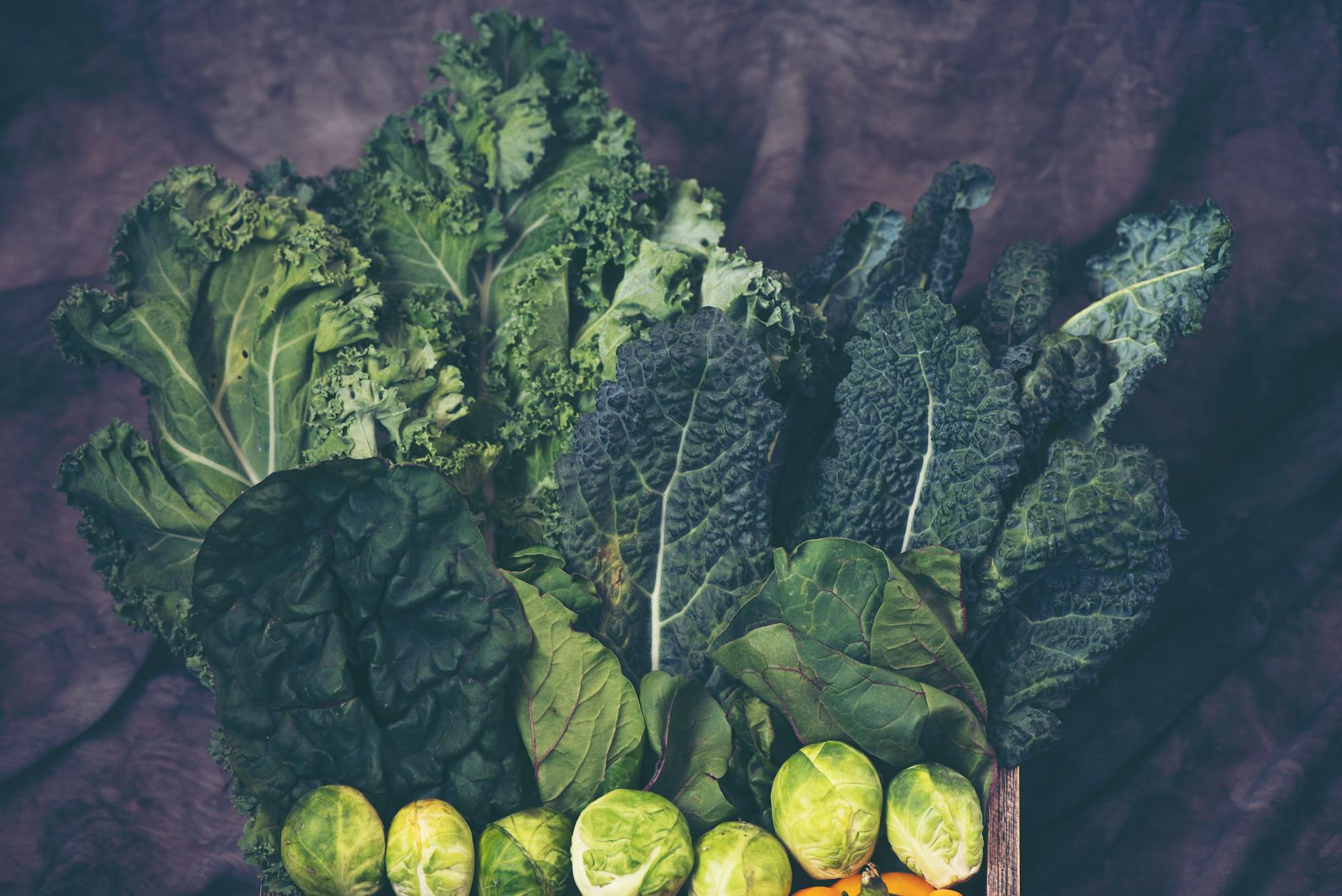
If you already have kale in the ground, October is not a planting window but a harvesting one. Established kale improves dramatically after the first two or three frosts. The cellular structure breaks down slightly, which reduces bitterness and softens the leaves. Do not harvest kale all at once. Take the outer leaves and let the center keep growing. A single kale plant can produce through December in most climates with zero protection at all.
Radishes are also worth a quick October planting if you catch the window early. They mature in 25 to 30 days and can tolerate light frost without damage. Sow them now and you may get one full harvest before temperatures drop below 28 degrees consistently. Not a long season, but fast enough to be worth the handful of seeds.
How to Give Your Planting a Fighting Chance
The honest challenge with October planting is not cold. It is light. Days are shortening fast, and once you drop below 10 hours of daylight, most vegetables slow dramatically or stop altogether. This is called the Persephone period, named for the months when growth essentially pauses. In much of the northern US, that window runs from roughly mid-November through late January.
The goal with October planting is to get your crops to a harvestable or near-harvestable size before that slowdown hits. Spinach needs to reach about three inches before it will sit tight through winter and resume in spring. Mache can be smaller. Arugula should be cut at least once before the light fades.
Pro Tip
Pro Tip: Cover your October plantings with a single layer of row cover fabric, sometimes sold as floating row cover or Agribon. It raises the temperature underneath by four to six degrees and blocks wind, which is often more damaging than cold itself. Even a basic lightweight fabric can extend your harvest window by three to four weeks. Drape it directly over the plants and secure the edges with rocks or soil.
Row cover is not expensive and it stores flat. If you have never used it, consider it the single most useful tool in fall gardening. It will not keep a hard freeze out indefinitely, but it buffers the swings between night cold and day warmth that stress plants far more than sustained cold does.
Soil Prep When You Are in a Hurry
You do not need to do a full soil overhaul for an October planting. Clear out whatever is already there, rake the surface smooth, and work in an inch of compost if you have it. That is enough. These crops are not heavy feeders. They want loose, workable soil more than they want fertility.
One thing that matters more than fertilizer is drainage. Waterlogged soil in cold weather is far more likely to rot seeds and roots than cold alone. If your bed has any drainage issues, fix them now by adding compost to loosen the structure or building the bed up a couple of inches with fresh soil.

Water your seeds in after planting and then step back. Overwatering is a real problem in fall because evaporation slows down. The soil holds moisture much longer than it does in summer. Check it before you water again. If it feels damp an inch down, leave it alone.
What to Actually Expect
Set honest expectations. October plantings are not going to give you the same yield as a May garden. You are planting into shortened days and cooling soil. But the quality of what you get is often better than anything you grew in summer. Sweeter, more tender, more concentrated in flavor.
And there is something genuinely satisfying about stepping outside on a gray November day and cutting a bowl of greens while the rest of the neighborhood's beds are bare. It does not take a big investment of time or money. A packet of spinach seed, a bag of compost, and a roll of row cover. That is your whole October garden kit.
The gardeners who get the most out of a small space are the ones who do not let the calendar tell them when to stop. Plant something this week. You still have time.


